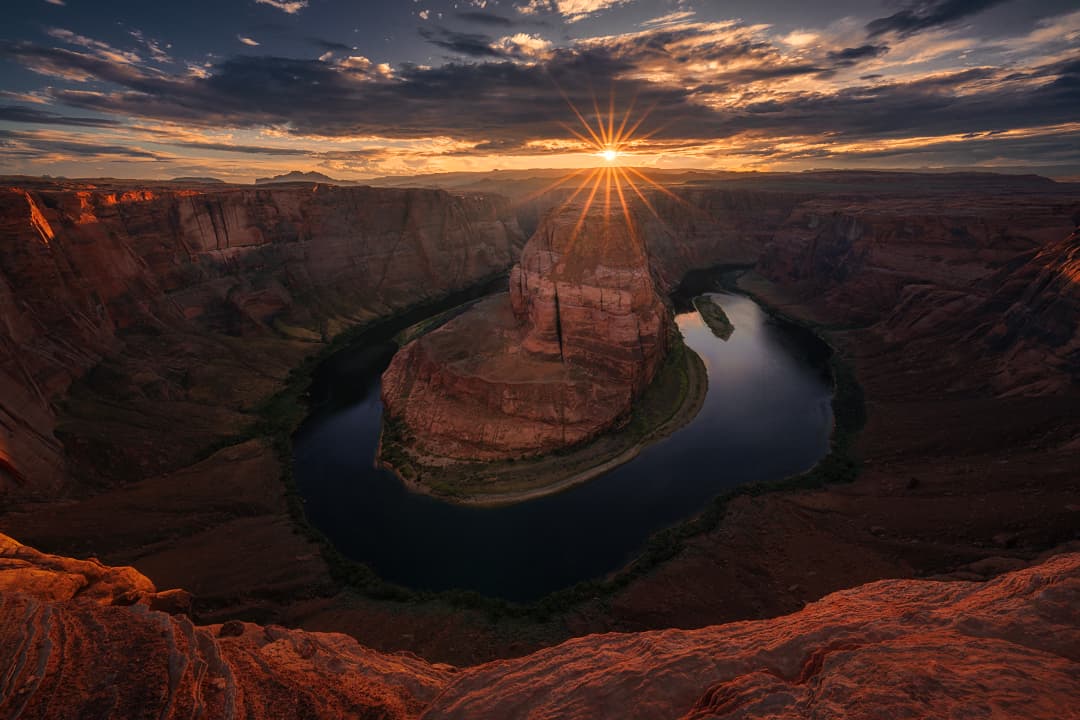
Discover why limited edition fine art photography is one of the most compelling alternative investments. A comprehensive guide covering edition sizes, authentication, market trends, and building a valuable collection.
Fine art photography has emerged as one of the most dynamic and accessible segments of the contemporary art market. Over the past two decades, prices for limited edition photographic prints by established and emerging artists have appreciated steadily, often outperforming traditional asset classes during periods of economic uncertainty. For discerning collectors who appreciate beauty and seek tangible assets with genuine long-term value, fine art landscape photography represents a compelling opportunity.
In this guide, I share the principles and practical knowledge I have gathered from years of working with private collectors, galleries, art advisors, and auction specialists. Whether you are acquiring your first fine art photograph or expanding an established collection, the fundamentals outlined here will help you make confident, informed decisions.
Why Fine Art Photography Is a Compelling Investment
The art market as a whole has demonstrated remarkable resilience over time. But within that broader market, photography occupies a particularly interesting position for several reasons:
Relative Accessibility: Compared to painting and sculpture, fine art photography offers entry points that are achievable for a wider range of collectors. A museum-quality limited edition print by a respected photographer can be acquired for a fraction of what a comparable painting would command.
Growing Institutional Recognition: Major museums — the Metropolitan Museum of Art, the Tate Modern, the Centre Pompidou — have dramatically expanded their photography departments in recent decades. This institutional validation drives market confidence and long-term value growth.
Finite Supply: Unlike paintings, where an artist produces unique works, fine art photographs are issued in strictly controlled editions. Once an edition sells out, no more prints can be produced. This built-in scarcity is the foundation of value appreciation in the photography market.
Dual Utility: Fine art photography serves both as an investment vehicle and as a source of daily aesthetic pleasure. A beautiful landscape photograph enhances your living space while simultaneously functioning as a store of value — a rare combination in the investment world.
Understanding Edition Sizes and Their Impact on Value
Edition size is the single most important factor in determining the investment potential of a fine art photograph. The relationship is straightforward: smaller editions are more valuable, both now and in the future.
Open Editions
An open edition print has no limit on the number of copies that can be produced. While these prints may be beautiful, they carry no scarcity value and are not considered investment-grade. Serious collectors avoid open editions entirely.
Limited Editions
A limited edition print is produced in a predetermined, fixed quantity. Once all copies in the edition are sold, the edition is permanently closed and no additional prints are made. This is the standard for collectible fine art photography.
Edition sizes vary widely in the market, but as a general principle:
- Editions of 5-10: Ultra-exclusive. These carry the highest per-unit value and are typically offered by established fine art photographers for their most iconic works.
- Editions of 10-25: The sweet spot for serious collectors. Large enough to be accessible, small enough to appreciate significantly over time.
- Editions of 25-50: Still genuinely limited. Suitable for collectors who want investment potential without the premium pricing of ultra-small editions.
- Editions above 50: While technically limited, editions of 100, 250, or 500 offer diminished scarcity and correspondingly lower appreciation potential.
All prints in my fine art collection are offered in strictly limited editions, with most images limited to 10-25 copies worldwide. Once sold out, each edition is permanently retired.
Authentication and Provenance
Authentication is the bedrock of value in the fine art market. A print without proper documentation is, from an investment perspective, essentially worthless — regardless of its visual quality. Here is what to look for:
Certificate of Authenticity (COA): Every legitimate fine art print should be accompanied by a signed certificate of authenticity that documents the title, edition number, edition size, print date, medium, dimensions, and the artist's signature. This certificate should be printed on acid-free archival paper.
Hand Signature: The artist's original hand signature — not a printed reproduction — should appear on the print itself, typically in the lower margin. Some artists also sign the verso (back) of the print.
Edition Numbering: Each print carries a unique edition number expressed as a fraction (e.g., 3/15, meaning the third print in an edition of fifteen). Artist proofs (A/P) are produced outside the main edition in very small quantities and often carry a premium.
Provenance Documentation: For secondary market acquisitions, a clear chain of ownership from the artist to the current seller adds significant value and protects against fraud.
Every limited edition print I produce includes a hand-signed certificate of authenticity, archival packaging, and detailed provenance documentation.
Building Your Collection: A Strategic Approach
The most successful fine art photography collections are built with intention and discipline. Here are the principles I recommend to both new and experienced collectors:
1. Buy What Moves You
This may sound like sentimental advice, but it is profoundly practical. The art market is unpredictable in the short term, and if you buy solely for expected returns, you may find yourself living with work that brings you no joy. Buy what genuinely moves you emotionally — the investment value, if it comes, will be a welcome bonus rather than the sole justification.
2. Research the Artist
Before acquiring a piece, research the artist's exhibition history, institutional collections, critical reception, and market trajectory. An artist with gallery representation, museum acquisitions, and a consistent body of work over many years is a safer investment than a newcomer with no track record, regardless of how striking the work may appear.
3. Prioritize Quality Over Quantity
One exceptional print from a limited edition of ten will almost always appreciate more than ten mediocre prints from large editions. Concentrate your acquisitions on the finest available works at whatever budget level you are comfortable with.
4. Consider Condition and Presentation
How a print is framed, stored, and displayed directly impacts its long-term value. Use acid-free matting, UV-protective glass, and professional framing. Display away from direct sunlight and maintain stable temperature and humidity levels. Proper care preserves both the aesthetic beauty and the monetary value of your investment.
5. Keep Complete Documentation
Store certificates of authenticity, invoices, correspondence with the artist or gallery, and photographs of the work in a secure location. This documentation package is essential for insurance, estate planning, and eventual resale.
6. Diversify Across Subjects and Regions
Just as financial advisors recommend portfolio diversification, art advisors suggest building collections that span multiple subjects, regions, and moods. A collection that includes alpine landscapes alongside coastal scenes, desert imagery alongside forest compositions, creates visual richness and reduces concentration risk. Explore different regions — from the Swiss Alps to Patagonia, from the Dolomites to Namibia — to build a collection with genuine depth and range.
Understanding Pricing Dynamics
Fine art photography pricing follows a well-established pattern. When a new limited edition is released, the initial price — known as the release price — is typically the lowest the print will ever be offered. As copies sell, the remaining prints in the edition increase in price, often in incremental steps announced in advance. The final prints in an edition carry the highest price, reflecting the increased scarcity.
This pricing structure creates a built-in incentive for early acquisition. Collectors who purchase at the release price benefit not only from the lowest entry point but also from the full arc of potential appreciation as the edition sells through. Conversely, waiting until an edition is nearly complete means paying a significant premium — though even late acquisitions can appreciate further once the edition closes permanently.
For collectors considering their first acquisition, I recommend focusing on recently released editions where the full appreciation arc lies ahead. Browse my new releases to see the latest additions to the collection.
Market Trends in Fine Art Landscape Photography
The fine art landscape photography market has experienced significant growth in recent years, driven by several converging trends:
Interior Design Integration: High-end residential and hospitality projects increasingly feature fine art photography as a central design element. This has expanded the collector base beyond traditional art buyers to include interior designers, architects, and property developers.
Digital Fatigue: In an era of infinite digital images, collectors increasingly value the permanence and intentionality of a physical fine art print. The tactile experience of a hand-crafted, limited edition photograph offers something that no screen can replicate.
Environmental Awareness: Landscape photography connects viewers to the natural world, and many collectors are drawn to images that celebrate and preserve the beauty of wild places. This emotional connection drives both acquisition interest and long-term attachment to the work.
Start or Expand Your Collection
If you are considering fine art landscape photography as an investment — or simply as a source of beauty and meaning in your daily life — I invite you to explore my complete collection. Every image is offered as a strictly limited edition, hand-signed and accompanied by a certificate of authenticity.
Browse collector favorites, discover new releases, or view the artist's personal selection of works I consider the strongest in my portfolio. For personalized guidance on building your collection, contact me directly — I welcome the opportunity to help you find the perfect piece.
Ready to Explore?
Browse the gallery to discover available limited edition prints.